Thursday, March 23, 2006

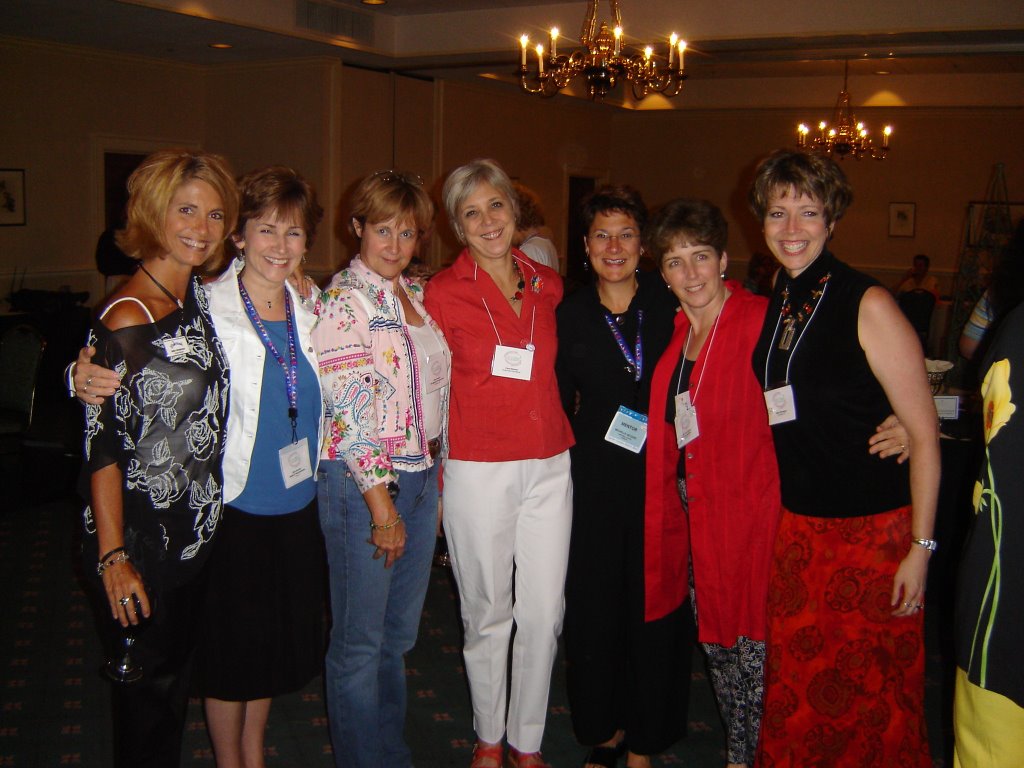
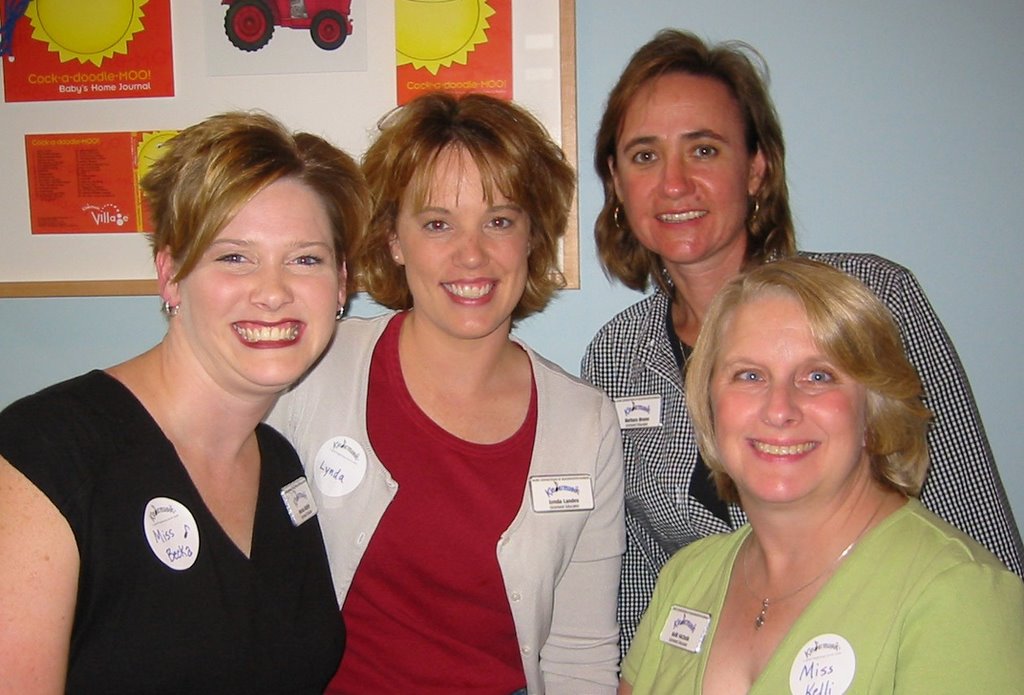
Have you seen these ladies?

One or more will be coming to a city near you for the Professional Development Series. Expect a unique two-day training experience, customized to meet the marketing and classroom needs of Educators in your area.

Laughter and friendship is inevitable. Bring a camera.

Check the schedule for a PDS near you.

The way dads see it

Some of my favorite Kindermusik parents in class have been dads. They seem even less inhibited than most moms, and more willing to roll around on the ground with their kid, snort like a pig, and wave wispy scarves.

Case in point: DaddySpeak. It's a blog co-written by two dads who write about fatherhood and dad stuff. One takes his little one, Doodles, to Kindermusik pretty regularly. He shares his thoughts about it in this post.

Wednesday, March 22, 2006

I want to go home now

Okay, I'm craving my little music desk and guitar at home right now. Right around now the yellow afternoon sun makes my bedroom glow a warm, inviting, come hither and play light. And my French Press still has a little coffee left over from this morning. Music charts cover the desktop, and my fingertips are callousing up as I type from last night's practice with a new blues-jazz progression.

What got me started?

Helen Peterson posted this musical game on the San Fransisco Symphony for kids Web site, and it makes me want to learn music all over again.

Carry that weight

Shortly after the cost for shipping Kindermusik materials went up, Wisconsin Educator Betsy Flannagan emailed and said, "Hey. What's up? Why is DRMY! cheaper?"

Here is the answer, straight from CFO's Scott Kinsey's email:

"Weight is the primary issue since many of our Kindermusik materials include more items like instruments, toy sets, journals, etc. Many of them, like Toys and AWG are also bigger – so fewer items can go in one box."

Do whiny babies grow up to be conservative adults?

By way of the NPR blog, this study published in a Toronto newspaper lead me to look up some solutions to help whiny kids stop whining. Overall, the number one solution is humor. Here's what the experts say:

Tuesday, March 21, 2006

Funny, they don't look tired. Must be PDS.

Early last fall, this caffiene-happy group of Educators hopped in their cars and drove all night from the Bloomington-Normal, Illinois area to Greensboro, North Carolina. Leaving their families, their students, and the comforts of home behind they made the 14 plus hour trek for the first workshop in this year's Professional Development Series. I've made that drive before, and the drive across Indianna alone is reason enough to turn around for home.

And that was before PDS registration was free. So with the first official day of spring already sprung, you likely won't have to pull an all-nighter to get to a PDS. The weekend training workshops are happening right now, and with recent announcement of The Partnership, and registration costs covered by your annual license fee, it's a great time to see what a PDS is all about.

If you can't see the schedule here, sign on to the Teacher's Lounge. Click "The Partnership." Then "Seminars."

Paint by 3-D

Neat Web site, albeit it a bit vague, where you can order a paint by number mural kit for your kid's wall. So what's new? The images have a 3-D element.

Monday, March 20, 2006

Dream toys


A Kindermusik Educator's blog in the UK, Kate's Musings (I couldn't find her last name on the blog, and just sent her an email) posts the children's toys drawings from her Imagine That! Toys class. Scroll down on her blog to see a few more.

Thursday, March 16, 2006

Emailing audio

Next time someone asks you why music is so essential to an early childhood education, you can email them this music clip, courtesy of Provo, Utah Kindermusik Educator, Julee Kowallis.

Listen here.
Copy and paste this link to send it around:
http://www.kindermusik.com/videoPlays/MP3_Kowallis.mp3

For more video and audio messages on topics like this, check the "Masterful Minutes" section. Log on to the Teacher's Lounge

  • Click "The Partnership"
  • Then "Masterful Minutes"

Operators are standing by: New summer camps

We're trying something totally new today with the new summer camps. When you call and pre-order the Village and Young Child camps, we'll email you the introduction, and the first two lessons from the new camps--free. The email will include a materials list, song lists, and enough to plan a demonstration lesson waaay before the real Teacher's Kit arrives to your doorstep, May 1.

Why'd we do that? You've said you need more information, right now. I hope this helps.

To pre-order, call 1-800-628-5687. As soon as you place your order, check your email inbox.

Blogger babe

Musician, artist, mother, blogger and Kindermusik Educator Darcie Brown recently modeled for a Blume Maternity fashion show--a local clothing designer for pregnant women in her hometown of Vancouver, British Columbia. Darcie has featured Blume before on her Web site, as well as a few other local family-friendly businesses. Plus, she'll link the Blume blog from her blog, and Blumes' fashion blog is a great read, too for new moms, or pregnant moms.

That's one example of how a blog can bring new community connections to the families in your studio. You have a great network in your classrooms, a blog can be a creative space that people come to explore that community.

Also, in the Family Time blog, you and other Educators will figure out when is the best time to hold a Family Time class. Also, read what Patricia has to say about how to help a parent who may be looking a little overwhelmed in class.

Wednesday, March 15, 2006

More about blogs

Theresa Case in Greenville, South Carolina sent this article in Inc.com as a great primer for getting started.

How do you sing a baby star to sleep?

Last night was one of the most clear, starry nights I've seen in a long time. That's not saying much since I've only recently been paying more attention to the stars, ever since a recent visit to the local observatory. One of the astronomers there pointed out what he called a "star nursery." I loved the word so much I scribbled it down in a notebook by blue moonlight.

You can find the star nursery, or nebula, yourself on Orion's belt. In this photo, see where those three stars on his sword point vertically down? See the kind of pinkish star? Where it looks kind of blurry, that's where the stars are being born. Just like real babies, it's super gassy around there, too and that makes it look fuzzy.

So last night when I looked up to say good night to the baby stars, I wondered, "What would you sing a baby star to sleep?" Or would it be good morning? They wouldn't be going to bed until the sun comes up. Crazy kids.

Any ideas? I want to write a song about it. mmcginn@kindermusik.com

Tuesday, March 14, 2006

All is right with the world

NPR.org has this nifty little music feature where they play a song of the day. Today, it's Neko Case and a release from her new album.

I never really learned anything from a book, anyway

Same goes for blogging. Be an experiential learner and jump in. It's immensely satisfying to have a space to put thoughts that can inspire action—whatever that action may be. If it’s to take a Kindermusik class, look at a picture, or laugh. Post FOLS, Email Databank snippets, dates for Pickles & Ice Cream parties.

I read a blog the other day where a new mother posts at least one new photo a day. She also writes notes to her 2-year-old daughter on her blog, so that one day she'll know both sides of the story. That more than once, in the face of her child's mischief and misbehavior, it's a near losing battle between a stern face and a fit of laughter (If you want a link to that blog, email me.)

What will your blog be about?
Find out, and start your blog.
Or, email me your blog address. I'd like to collect other Kindermusik Educator blogs: mmcginn@kindermusik.com

Monday, March 13, 2006

Wondertime

My new favorite magazine.

The difference is hope

I've been thinking about that "Go Outside" post from earlier this week (scroll down and bit and you'll see a blurb about a new study claiming more violence than ever in children's television programs).

It’s just too easy to wag a finger and say, “shame, shame,” on TV for putting violence on the boob tube. Some of children’s greatest songs and nursery rhymes told violent stories:
  • Ring Around the Rosie tells the story of the Black Plague
  • Mary, Mary, Quite Contrary is about the beheaded Mary Queen of Scots
  • Follow the Drinking Gourd was secret code to southern slaves to find the Underground Railroad

So “what’s the difference?” How is violence on TV any different from the violence then, or the world children are growing up in today?

Ella Jenkins gave me the answer. The children’s music performer and historian has a voice as deep and truthful as the history of her songs. Yet those hard time stories always carry a message of hope and understanding. That’s why her music, and music like hers, will survive.

That junk on TV won’t survive. There’s not enough hope in it. It takes hope to survive, and that’s the message I want to send, and sing, to children.

Friday, March 10, 2006

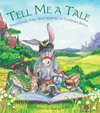
Tell Me A Tale

Art Director Tony Jacobson had this to say about the illustrator for the new Young Child camp, Tell Me a Tale:

"Aaron is a full-time illustrator with a fine arts degree from the Milwaukee Institute of Art and Design. He has illustrated numerous stories for children's magazines and educational publishers, among them Lee and Low's Bebop Books. He also has illustrated the Do-Re-Me & You! book Ned Redd, World Traveler. Boyd and his three dogs live in Milwaukee, Wisconsin."

Updated summer camp information on the Teacher's Lounge. Click the "new curricula" link, then Summer camps.

Busy Days illustrator

For a while, illustrator Abby Carter's biggest fan was her grandmother. But the artist for new baby summer camp book, Busy Days, has a new captive audience: your Kindermusik families.

See more of Abby's work.

Thursday, March 09, 2006

What's your presence online?

Broadband growth. Eighty-four percent of U.S. households will have broadband access by 2008, according to eMarketer. This opens up the pipe for marketers to develop video, music, and other unique branded content to reach the masses in more personalized, entertaining ways.
Source: ClickZNetwork

Tune In drops today

Check your email inboxes for the latest issue of Tune In, a free e-enewsletter for parents and children. This one's a little bit different this time around, with more video features, and links to products. Let me know what you think and email me at mmcginn@kindermusik.com

When your child cries, harmonize

Ok.I sheepishly admit that I check People's online magazine. Every day. And today I found this little Kindermusik cure from a new dad:

"He's the happiest little fellow," says Big & Rich's "Big" Kenny Alphin, 42, of 4-month-old Lincoln (with stylist wife Christiev, 43). "He never cries really loud. And if he starts to whimper, I'll just harmonize with him."

Go outside and play


Okay, this is me, around age 5 or 6--about the same age as the kids in a new study in the Kansas City Star, which basically found that TV is more violent than ever.
■ Nearly eight incidents of violence per hour. Even when Wile E. Coyote-era “cartoony” violence is extracted, the average dropped to only 6.30 incidents per hour. “To put this figure in perspective,” the report stated, “consider that in 2002 the six broadcast networks combined averaged only 4.71 instances of violence per hour” during prime time.
■ Nearly two cases of “verbal aggression,” like insults and abusive name-calling, every hour.
■ At least one “disruptive, disrespectful or otherwise problematic attitudes and behaviors” per hour.
■ Sexual content appeared, on average, 0.62 times per hour, usually in the form of provocative pictures of female characters.

My concern is that kids may see far more violent incidents on TV than they can even remember to ask you about. I'm not anti-TV. I'm just pro "go outside and play." I'd rather worry about a child climbing a tree and falling down, than worry about what he's watching on television.

Wednesday, March 08, 2006

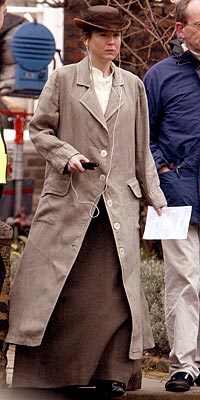
I don't think Beatrix had an iPod

Still, this is a quick little sideshot of Renee Zellweger on set of a new movie about Beatrix Potter, the Peter Rabbit creator, illustrator, and author.

Wonder what she's listening to.

What do parents think about Kindermusik?

You could break into their houses and read their diaries. What? Not your style? ‘n k.

Instead you could go to Technorati. It's a search engine, like google. Only you’re searching the online Web logs, aka blogs, of tech-savvy parents who love posting pictures, progress notes, and other dimple-inducing vignettes about their little muses. Think of it as an online baby book. Quite a few write about Kindermusik.

So. Take a look. See what parent’s value about their child’s time in Kindermusik. And while you're there, you'll probably come across a few other blogs created by Kindermusik Educators.

Tuesday, March 07, 2006

Remember the rhythm

In my film class last night, my teacher said one of the most important skills any director or filmmaker could possess is a little musical understanding. He had just described one dramatic edit he used in a film as a “coda.” He snapped his fingers to illustrate the 4/4 rhythm in the action between edits.

He went totally Kindermusik.

Monday, March 06, 2006

Premies

New study in Pediatric finds that early education for premies boosts long term skills.

Friday, March 03, 2006

Mahna, Mahna

See what happens in class today if you hum a little of this melody. Hum it in the grocery store line. The coffee shop line. Then let me know how many people actually say back, "Mahna, Mahna." I'll bet lots.

"Mahna, Mahna" was one of my favorite Muppets' songs. And because Jim Henson and the Muppets were so well loved by so many people, it can provide an instant connection between strangers. Try it out.

Not so coincidentally I've been thinking about Jim Henson a lot lately. He used puppets to inspire imagination. We, as Kindermusik Educators, use music. And in class, you give parents the information and insight they need to inspire a child's imagination. Open their minds to finding a more creative, musical way to help them engage, play, interact, and learn with each other.

Inspire imagination. Make it a musical mind.

Mahna, mahna.

Thursday, March 02, 2006

Show me a craft

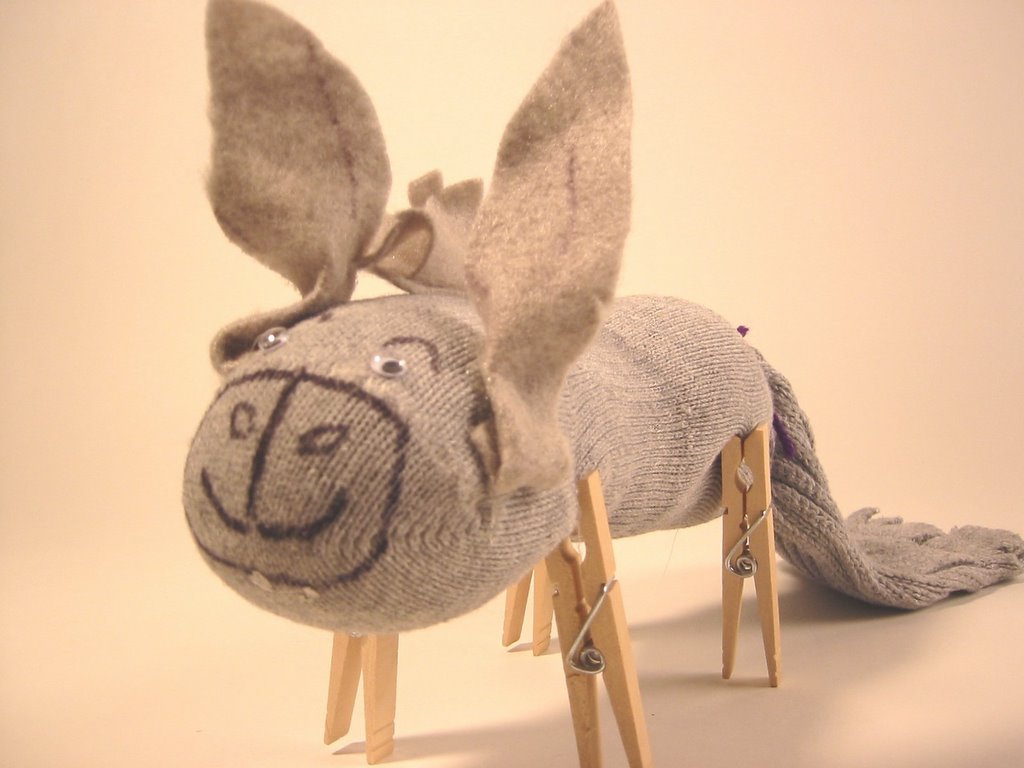
This morning I took pictures of the crafts featured in the new Young Child camp, Tell Me a Tale. With a new folk tale featured each musical day, the young ones let their fingers do the learning when they make the main character from the story that day:

Totem pole: Rolled up construction paper, googlie eyes, pipe cleaners, foam shapes, glue, and clothespins
Sock donkey: One mismatched sock, googlie eyes, a bag of beans, rubber bands, and clothespins
Alligator (or is it a crocodile?): Construction paper and brown grocery sack
Black paper: Crayons, paper, and lots of black crayons. The kids will scratch away at the black to show the color below.

What else do you want to know about summer camps? Drop me an email at mmcginn@kindermusik.com

New Summer Camps will be ready to ship on May 1st. Current camps start shipping April 1st.

New summer camp craft snaps


Wednesday, March 01, 2006

Bubbles: More than meets the eye

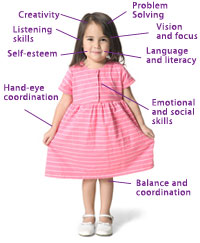
Some of the simplest things, like bubbles, can do so much good. Watching soap bubbles can soothe a baby's fussy mood in an instant. Blowing bubbles can help develop lung and breath control. And early on for a child, simply reaching up and popping up a sudsy circle is a sign that she's working on eye-hand coordination, and fine motor control.

What you'll see. Around 5 months, your baby reaches her whole arm towards something she wants. Eventually she’ll grab, and perhaps switch something from hand-to hand. Also around this time, her eyes uncross and her vision improves as she focuses and scans slowly moving objects. Those two developing skills come together as your baby watches you blow bubbles. Plus it’s relaxing, like watching curtains blow in the window. Add a little music and this playful time becomes a soothing ritual as your baby grows.

Tuesday, February 28, 2006

My cup runneth over

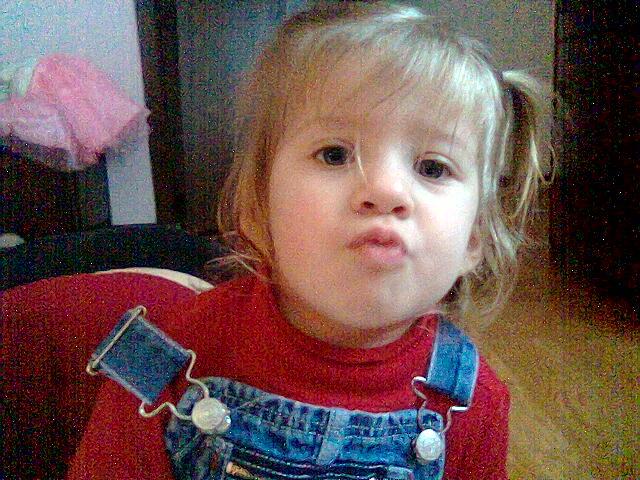
This little one, here. This little one making the face. Not even knowing that her overall strap can't keep up with her shoulders. This is Stella and she has taken my heart and I don't even want it back. She can have it.

This is Stella Thill. Her mom, Rachel, was my best friend in seventh grade almost 20 years ago. We met up again this past weekend and I'm glad to say she's still my best friend. Now I have one more, too.

Friday, February 17, 2006

The new look of summer

Next week, we'll have the new summer camp brochure ready for you. Available now are free photos, display ads, and banners you can use now to get started. One special note, though: At Home Materials in the Village camp includes a Cage Bell, not a scarf. We'll have that corrected on the Web site Tuesday.

Also of note: The woman and child in this picture is Kindermusik Educator Darcie Brown, and her son. You can read more about her and how she's using her blog, Web site, and more to help families learn more about Kindermusik and the Little Brown Music Studio in Abbotsford, British Columbia.

Come All You Playmates

Educators have been asking for the link to the video we put in the Family Time email yesterday. If you have Quick Time, you can watch the link here.

Forward families a link of their own: http://www.kindermusik.com/videos/QT6_256_ComeAll.mov

Next week, we'll post the Quick Time and Media Player versions for you, too.

Tuesday, February 14, 2006

My hands are small, I know

Strengthening the finer muscles in your child’s fingers do a lot more than help her hold a pencil—it can help her manage her mind, too. When your child uses her hands, she strengthens the frontal lobes in her brain, which is also responsible for fine motor skills, planning, focused attention, and the ability to think before she acts.

Play on little ones.

Thursday, February 09, 2006

Educator and advocate

Kindermusik Educator Sarah Flack believes it never hurts to ask. So she recently invited everyone to the ribbon cutting ceremony of her second studio location in Laredo, Texas. Almost everyone showed up, too, including Richard Raymond from the Texas House of Representatives.

Learn more about the event when we talk with Sarah in the Educator Profile section on the Teacher’s Lounge next month.

“I sent out invitations to people that admittedly may have been out of my league, like my state representatives," writes Sarah. "It turns out that Richard Raymond is a music lover and a great proponent of early childhood education. He gave the welcoming speech at the ribbon cutting and presented me with a beautifully framed certificate of congratulations from the Texas House of Representatives.

“We held a 10-20 minute demonstration class, and I sprinkled FOLs and funny stories throughout. It was so incredibly awesome to see these serious business men and women let down their guard and experience being a child again.”

Tuesday, February 07, 2006

Thursday, February 02, 2006

A new era in visual animation


Disney and Pixar animations merge.

Punxsutawney Phil


Phil saw his shadow, that means six more weeks of winter coats for those on the cold side of the globe. Happy groundhog day.

Given the implications of a few more weeks of buttoning up, let's settle that old issue once and for all: "Put on a jacket or you'll catch a cold."

Tuesday, January 31, 2006

Buggin' out


I'm one of those folks, too that poo-poos the latest quack's reinvention of musical instruments. But given the impact music and movement has on early childhood development, and the impact technology continues to have on the way children learn--these little music bugs leave me, well, buggin' out.

Developed at MIT in Boston, take a look at how techonology is reinventing the classical music experience, via Toy Symphony.

Friday, January 27, 2006

Send cool thoughts

Kindermusik Educators in Australia are feeling the effects from one of the worst heat waves in years, so says this picture, passed on by Sylvia Stock, Distributor and President of Kindermusik Australia/New Zealand. You can learn more about the goings-on of Educators there on Sylvia's blog, or the on the

Thursday, January 26, 2006

Make things like this


Bre Pettis is a Seattle-based artist and arts educator who makes conceptual video installations, photographs, paintings, drawings, puppets, and dolls. Altogether, that makes for a great blog.

What if you turned the video camera towards your crafty ideas, and showed families excerpts of the integrated learning moments that happen in a Kindermusik class? I think they'd make their own registration form just to sign up.

Wednesday, January 25, 2006

Tuesday, January 24, 2006

Hand shadows


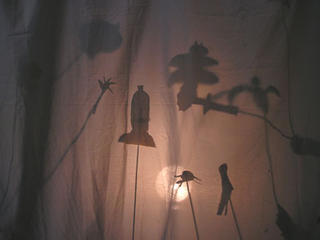
All you need is a flashlight, one white bed sheet, and your imagination. These hand-shadow illustrations should inspire some good stories.

A family's heart


A snippet of tips (and tons more in the article) on how to see what's going on inside, by knowing a little bit more about how to approach the outside, Applying Family Systems Theory to Early Childhood Practice

http://www.naeyc.org/

1. Don’t focus on the negative. Build on family strengths and avoid labeling and allowing personal bias to influence your interactions with families. Educators will often perceive “good families” as the ones who are more enthusiastic and involved. The family who responds politely to requests but leaves day-to-day decisions and work on school matters to the child and teacher is seen as less caring and uninvolved.
2. Learn more about the cultural background of your families. Just because a student is of a certain culture does not mean that student’s family is of a given religion, does not have legal status, has a certain discipline style, or has a specific socioeconomic status (Kagan & Garcia 1991). It is critical for teachers to become familiar with the cultural background of individual students.
3. Bring lots of chairs. Be sure to have enough chairs, snacks, and materials to accommodate extended families at events and conferences. For some families, an invitation to family night includes aunts, uncles, cousins, friends who serve as family, and even neighbors (Trawick-Smith 2005).
4. Put the child’s experience first. Whether their families are disengaged or enmeshed, children need opportunities to experience who they are individually and as a part of a group.
5. Respect families’ need for control. When introducing new ideas, materials, or experiences to children, involve families as well. Also recognize that some family members did not have positive experiences with education as they were growing up. While they may display anger, hostility, or mistrust, and these may be directed at you, the source may be events from the past. It will take time and persistence to build a relationship with these families.

Monday, January 23, 2006

FYM (for your marketing)


Kindermusik International recently completed an online study of over 300 Kindermusik parents and found that 99 percent would recommend the program to a friend. More findings from the November 2005 study by Harris Interactive will be released in the coming months.

Guest blogger

This post and Educator tip is from Darcie Brown.

First Impressions Matter
I learned very quickly in the photography industry that packing a final product leaves a lasting impression with clients. This also applies to the Kindermusik studio.

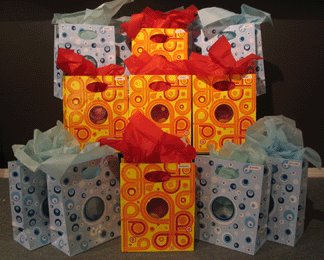
When presenting families with Sign and Sing At Home Materials, I always make sure I spend a little time and money making the materials look their best so they make a great first impression. This semester, I got funky gift bags and matching tissue paper from a dollar store. This cost me a total of $1.49 per student and definitely adds more value to the materials. I always enjoy bringing in a whole pile of bags at the end of class to present to the children and their parents as it is a wonderful grand finale to what is often a family’s first Kindermusik classroom experience.

Friday, January 20, 2006

Mini-Mingus

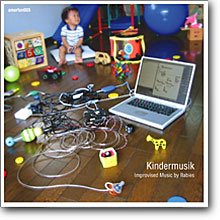
A Japanese music label, Amorfon, calls itself the "lovely experimental music label." Here's a little proof: This album, called "Kindermusik," and in no relation to Kindermusik International, is a recording of sounds made from babies and toddlers dropping instruments in a beautiful, musical way. I found it enchanting.

Idea: Do you have a "recording" day in your Kindermusik classes? One day when families can bring a friend and film a class, take pictures, or better yet, record sound?
At Home: Encourage parents to record their own "Kindermusik" albums.

Thursday, January 19, 2006

We've been working on Sign & Sing

Ok. So the first home DVD for Sign & Sing was a little, um. Academic? Boring? A bit of a snore? About as much as fun as a glossary? Imagine Kindermusik Educator Cathy Moore's Aussie accent saying, "It's just a bit dull, mate."

Still, the academic integrity, research, and easily adaptable methods behind Sign & Sing are undeniable, even with a somewhat dry delivery, for Cathy and many other Educators.

So if the Session A DVDs were less than what you expected, take a look at the new home DVD for Sign & Sing Session B. And check KI news this month for more sample clips from the Teacher's Kit.

Then let me know what you think: mmcginn@kindermusik.com

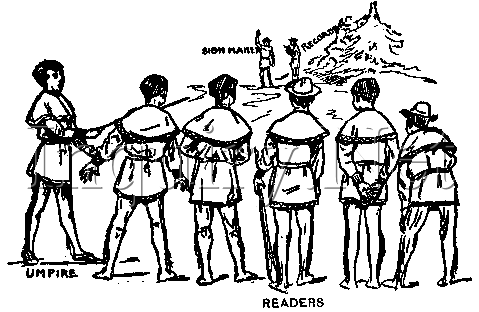
By the way, the gentlemen in the photo are actually participating in a Sign Language contest, via Davy Crockett's Woodsmen's tests.

Thursday, January 12, 2006

Rhythm and 'rithmatic


Number theorist Manjul Bhargava is also a tabla master, a kind of drum. Hear what he says about the mathematics in music on NPR.

Wednesday, January 11, 2006

Putting the press on Family Time

No more than two weeks ago Kindermusik Educator Darcie Brown emailed me asking for the Family Time press release. Today she emailed me the article. You can find new releases for Sign & Sing and Family Time in the Teacher's Lounge, under New Curricula. And if you don't know where to start with the media, or you've been having trouble getting someone to listen, let me know. I used to be one of those journalist types. Drop me a line at mmcginn@kindermusik.com

Otherwise, here are some quick, media tips:
  • Read your community paper. Check out the lifestyles and parenting magazines. You don't have to go with the big papers. Start small, pick a writer you like, and follow them for a while. Once you're familiar with the kind of stories they write send an email or make a call. "I've really enjoyed your last couple of articles and I think I have something you may be interested in." Be prepared with a press release and a few class times when the reporter could visit your class.
  • Contact media early in the morning. By the afternoon, things are already hectic in the newsroom. Call or email someone early in the day with your information. "Hi. I'm a local music and child development Educator and I have a press release about a new class I'm offering. Do you know who I can send this to? And do you know if they prefer an email or a fax?"
  • Follow up. Get the reporter's phone number and follow up around 10:30 am. Anytime after 3, and they could be too busy.

Tuesday, January 10, 2006

Start your own scholarship

Last night I talked with a first-time mom who was struggling to find a job and still worried that her son hadn't said his first word, yet . "How much is Kindermusik?" She asked. When I told her, she said she and her husband were barely scraping by, but that maybe they could get something together to take classes. She didn't say it to ask for charity. It was just a mumbled truth.

What can I do? Something like Kindermusik Educator Sonya Kempf, and Shirley Grossman, who started a scholarship of their own. I'll profile Sonya soon on the Teacher's Lounge, who is also using money from direct sales parties to fund her scholarship. In the meantime, here is what Shirley writes about how she got started.

"Instead of gifts parents normally give me at Christmas time and the end of the schoolyear, I request that they give a donation to my Materials Scholarship Fund. We now have over $400 in this fund, and it has been wonderful for some of my needy families. Since children love to give presents, I also suggest that the children make a picture for me, so they have something special to give me that I can ooo and ahhhhh over."

Do you have a scholarship? Send me an email at mmcginn@kindermusik.com

Monday, January 09, 2006

Start your own blog

Faster to print than a newsletter, and quicker to edit in a single stroke, a blog is a great way to stay connected to your families throughout the semester, post pictures from class, announcements, and musical thoughts for the day. Here’s how you can get started.

  • If you’re unfamiliar with blogs yourself, a parent in class may be interested in starting one for you. Ask around.
  • Start a blog yourself for free at http://www.blogger.com.
  • Check out educator guru Bob Sparkle's blog.
  • You can see how parents are talking about Kindermusik in this blog. Scroll down and look for the babies on the Maestro blanket.

Thursday, January 05, 2006

Kindermusik moms are hot

Over here at Kindermusik International we've been getting some pretty interesting feedback over the new mommy photo on our Web site. To summarize some of the worst we've heard: "No way is a Kindermusik mom that hot."

Well, naysayers, you're wrong.

Once the photo posted we heard from Kindermusik Educator Julee Kowalis who said, "That's a mom in my class." And no, the marketing department didn't pick it that way. It was one of a million pictures in stock photography. And no, there are no men in the marketing department. We just know a cool Kindermusik mom when we see one.

Ahem.

Monday, December 19, 2005

Doing Kindermusik Down Under

The University of Tasmania in Australia is undertaking a longitudinal study assessing how music affects young children, with regard to identity development, self-esteem, socialization and school readiness, and has chosen Kindermusik to follow for three years.

Wednesday, November 16, 2005

Interesting, yes

There are lots of litle research bits about the connection between music and smart, successful, and happy people. Of them all, a Harvard study is my favorite. A few years back Lois Hetland found that yes, music does seem to have an influence on spatial reasoning, but we should play music for music's sake. Because it's part of being human, because it teaches your child things other subjects can't, play music.

Even still, I like the solid research, stuff, too:
  • In academic situations, students in music programs are less likely to draw unfounded conclusions. Champions of Change, Federal study, 1999
  • Students who can perform complex rhythms can also make faster and more corrections in many academic and physical situations. Center for Timing Coordination and Motor Skills, 2000
  • College admissions officers continue to cite participation in music as an important factor in making admissions decisions. They claim that music participation demonstrates time management, creativity, expression, and open-mindedness. Carl Hartman, The Associated Press, October, 1999

Thursday, October 20, 2005

I knew it.


Now, I'm no mother myself, but I'm quite fond of them. It's something I aspire to someday. Still, if my own children ever come my way, I hope they can accept me just the way I am, imperfect and all. Breaking into their finger paints, taking over craft time, and nap time, and stealing fries from their happy meals. So the mother sharing her story on NPR.org -- she's a mother after my own heart.

Tuesday, October 04, 2005

A tribute


"Contrary to what most people think, it's not defeatist, 'Oh, woe is me,' " says Pulitzer Prize Winner August Wilson about his life's inspiration, the blues. "It's very life-affirming, uplifting music. Because you can sing that song, that's what enables you to survive."

Friday, September 23, 2005

A struggle for words in Kindermusik

Even as a writer for Kindermusik, it can be such a wonderful struggle to describe what happens in a Kindermusik class.

You'll ask a parent to explain it and you can see them go in for the word and come up with something like "we just love it." It's like asking someone to describe an emotion--be it sad, or happy. Go in for the words, and you realize you'll come up short.

This writer from the Baltimore Sun did a great job, using many words, to describe what happens in Kindermusik. It strikes the right tone of explaining that on some level we all know how to do Kindermusik with our child. It's innate.

Maybe that's why it's so difficult to describe.

Monday, August 15, 2005

What it takes to be a great teacher

Strong knees. We bend down a lot because we need to see things from a child's point of view.
A healthy sense of humor. Sometimes we have to laugh at jokes that really aren't that funny. Rhythm. Speak directions in easily repeatable rhymes, and before long, a child can repeat them back to you, and eventually teach them to others.
Literally, a hard head. Some little ones are still learning the difference between a throw and toss, and sometimes that means getting bonked on the head. Laugh that one off, too.
The ability to listen. A child doesn't know how to be a good listener if someone doesn't listen to him.
The ability to provide running commentary. Especially with young children who are still learning to talk, the ability to improvise and narrate the story as they go about the house is a clever way to teach language and storytelling to children.
Curiosity. In art, phrases like "good job" make the product seem more important than the process. Ask questions instead, "I like the red you used there, why did you decide to do that?"

Thursday, July 21, 2005

Create a musical garden

One thing we're doing here at Kindermusik International is creating a musical garden. Using old instruments, such as upside-down drums for planters, hollowed-out guitars for flower beds, and trumpets and bassoons stuck in the ground like blooming plants--we're creating a visual epitome what we do every day at Kindermusik: find creative ways to integrate music into every aspect of life.

Why not start a musical garden of your own?

  • Look for old instruments at garage sales, flea markets, and second-hand stores.
  • Clean the instruments as best as you can.
  • Apply four coats of polyurethane, letting each coat completely dry before applying the next.
  • Stick the instruments into your garden as if you're garden is growing instruments!

For more inspiration, look at these hand-crafted, musical furniture pieces.

Tuesday, July 19, 2005

When do imaginary friends go too far?

Even the greatest child development thinkers can be wrong a time or two. In the 1960s, Swiss Child psychologist Jean Piaget and Dr. Spock thought imaginary friends to be a bad thing. Even today some parents worry when an extra plate and empty chair appears at the dinner table.

But a new study in Developmental Psychology says not to worry. School-age children who had imaginary friends had a more developed “theory of the mind,” or the understanding that others have thoughts and feelings, too.

“Imaginary friends, often associated with introverted or disturbed children, are an integral part of social development, giving young ones an outlet for difficult feelings or confusion," according to the May 25 article in the San Jose Mercury News.

Still, if a Kindermusik parent in your class is concerned about a child’s new pretend play-pal, experts in the San Jose article say there are a few things a parent can watch for when it comes to healthy relationships with imaginary friends:
  • Most imaginary friends stick around for a year.
  • They often appear most notably between the stages of imaginative play and language development (the study notes that 6- and 7-year-olds were just as likely to have imaginary friends as 3- and 4-year-olds).
  • Make sure that fantasy is not interfering with normal life.
  • The imaginary friend should be under the child’s control—not encouraging bad behavior in the child.

Monday, July 18, 2005

Organize artwork

For more ideas on getting organized, go to www.getorganizednow.com

Organizing Kids Artworkby Maria Gracia

A picture is worth 1,000 words. Take photos of the artwork that your child creates and keep these photos in a scrapbook. This way, even if the artwork is discarded for space purposes, you'll still have the memory!

Keep it contained. For other artwork that does not lay flat, the perfect container may be a large, plastic container with a lid. Your child will have a space for shadowboxes, and other artwork that won't fit into a file folder.

Hang it. Get your child his very own artwork bulletin board so he can display his favorite artwork in his bedroom. When organized on a nice cork board, this really adds a nice touch to a child's room. Plus, your child can very easily switch one piece of art, with another.

Supply mania. If your child produces a lot of artwork at home, she probably has tons of crayons, markers and other art supplies. Keep it all in a portable box, light enough for your child to be able to transport it from one room into the next. In addition, separate and organize the supplies into separate Zip-lock baggies before putting them in the box. This will keep everything organized and easily accessible.

The perfect gift. Kids artwork makes the perfect gift for grandma, grandpa, sister Jane, Aunt Sue, Uncle Jim, and so on. Rather than buying gifts for your child to give to family members, encourage them to give their creations away as special gifts to special people.by Maria Gracia - Get Organized Now!Want to get organized? Get your FREE Get Organized Now! Idea-Pak, filled with tips and ideas to help you organize your home, your office and your life, at the Get Organized Now! Web sitehttp://www.getorganizednow.com

Tuesday, July 12, 2005

Who needs an iPod when you have a brain?


Scientists are now discovering "musical hallucinations." Something I suspect the mind does to comfort itself. Something that scientists suspect will continue happening as people are continually bombarded by sounds: clever cell phone rings, commercial jingles, email "dings."

Want to know how the mind takes all that sound in?

"Our brains use special networks of neurons to perceive music," according a story in the Science section of the New York Times. "When sounds first enter the brain, they activate a region near the ears called the primary auditory cortex that starts processing sounds at their most basic level. The auditory cortex then passes on signals of its own to other regions, which can recognize more complex features of music, like rhythm, key changes and melody."

The article goes on to talk about one of the most extensive studies of people who experience musical hallucinations.

Monday, July 11, 2005

Turn on the shadow pupppets

Take the TV out of a child's bedroom. Put in a shadow puppet theater. Or play music. Read a story. Act the story out.
A new study in the New York Times throws even more light on why there is a dark side to putting a television in a child's bedroom. It's not that TV itself is bad. It's when and where a child watches TV, according to the New York Times article, that's causing static in a child's ability to learn math.

Share this study with families in class today and talk about the options: "What can you and your child do to replace television in the bedroom?"

  • Play classical music and wave flashlights to the music
  • Plug in a night-light
  • Tape pictures from your favorite books on the wall and make up stories about the characters
  • Throw Kindermusik colored scarves over the lamps to change the light in the room
  • Grab a flashlight, a white sheet, and make shadow puppets from cardboard

Thursday, June 30, 2005

Sign & Sing

"Eases frustration." "Soothes trantrums." That's what the studies about sign language for children say, yes. Great. I find myself a little more startled, really, you could say dumb-founded, when I see a child use sign language. Suddenly I'm thinking they're smarter than me. When they tap their hands together and ask for more juice, I'm like, well, golly. Okay. More juice it is. You can't even hold a sippee cup yet without dropping it, but you can tell me what you need, and for that, I'm amazed and I'll submit. I'll say that's easing some frustration, yes.

Teaching sign language in your Kindermusik studio can ease some frustration for you, too. Read how, here.

Tuesday, June 28, 2005

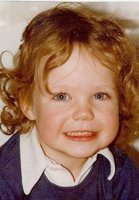
This is me


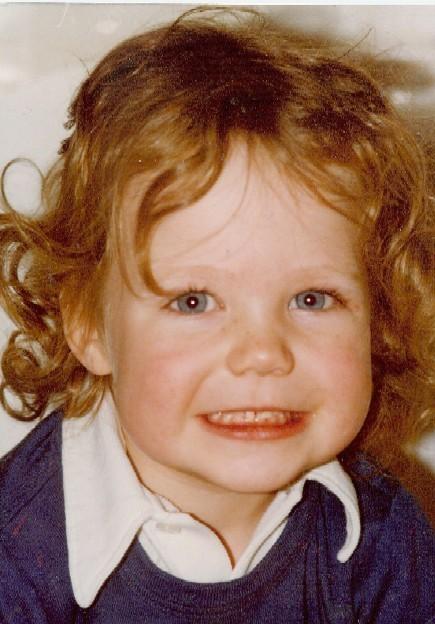
Hi. Just starting this blog as a bit of an experiment, as a way to see how Kindermusik Educators can use blogs as a newsletter to stay in touch with families, keep up on the latest child development research, and the latest goings-on. We're a very entertaining, interesting crowd, you know.

Pictured here is me, Molly McGinn, when I was 5 years old. Today I'm a senior writer here at KI, and this is my blog.

So what does "i am kindermusik." mean? The idea came when I was riding my skateboard down the street, singing with the radio, watching traffic, listening to traffic (Greensboro drivers don't have a lot of experience with pedestrians) and pumping my foot in rhythm to the music: When I'm using more than one skill ... when I think, reason, create, move and express all at once ... I'm having a Kindermusik moment.

As a Kindermusik Educator I help children use more than one learning skill at once. As a writer what I do for Educators is to help you use more than one skill at once--in teaching, running your business, and riding a skateboard, if that's what you want to do.

Things children are not doing when watching TV

FYI, this isn't a PSA on unplugging the tv. I would never deny any child the squealing delight that comes from watching Nemo. I've never seen anything so compelling be so dulling at the same time. And to a child's brain, which is developing at a high speed, watching television is like being stuck in a traffic jam. It only moves forward at a very slow pace. Only two learning senses are work. Want to know what else isn't working?

Things Children are NOT Doing When Watching TV
1. looking left to right, strengthening reading skills
2. practicing motor skills, such as running, jumping, or using scissors
3. practicing eye-hand coordination
4. using more than 2 senses
5. asking questions
6. exploring
7. exercising innovation & motivation
8. being challenged
9. solving problems
10. thinking analytically
11. exercising imagination
12. practicing communication skills
13. being either creative or constructive

Thanks to Kindermusik Educator and Do-Re-Me & You! Consultant Jeanne Lippincott in Oxford Mississipi for providing this list.

Monday, June 27, 2005

Mechanical marvels


This article on the mechanical musical marvels on display at the Morris Museum is worth a look and listen. Sound clips and mini-movies show close-ups of these "mechanical banjo-hand pickers" inside a grandfather clock case, porcelain dolls playing and singing music, and mechanical mime-looking frenchman playing magic tricks.

Here's what the Web site says about this ring that pictures a music lesson: "The scene depicts a music session in an elegant drawing room, replete with a hanging oil lamp, a bird sitting on a three-legged music stand, and a pet dog. When set into motion, the seated woman hand-cranks a 'serinette'—an organ used to train birds to sing melodies—and the man conducts the tempo with his violin bow."

This made me think of all the great, home-made instruments we make in Kindermusik classes. Why not create your own "museum of great instruments" in your Imagine That! class and ask the kids to talk each.

Parents really do teach rhythm

New study in Canada proves that a parent passes on rhythm to her child when they dance together.